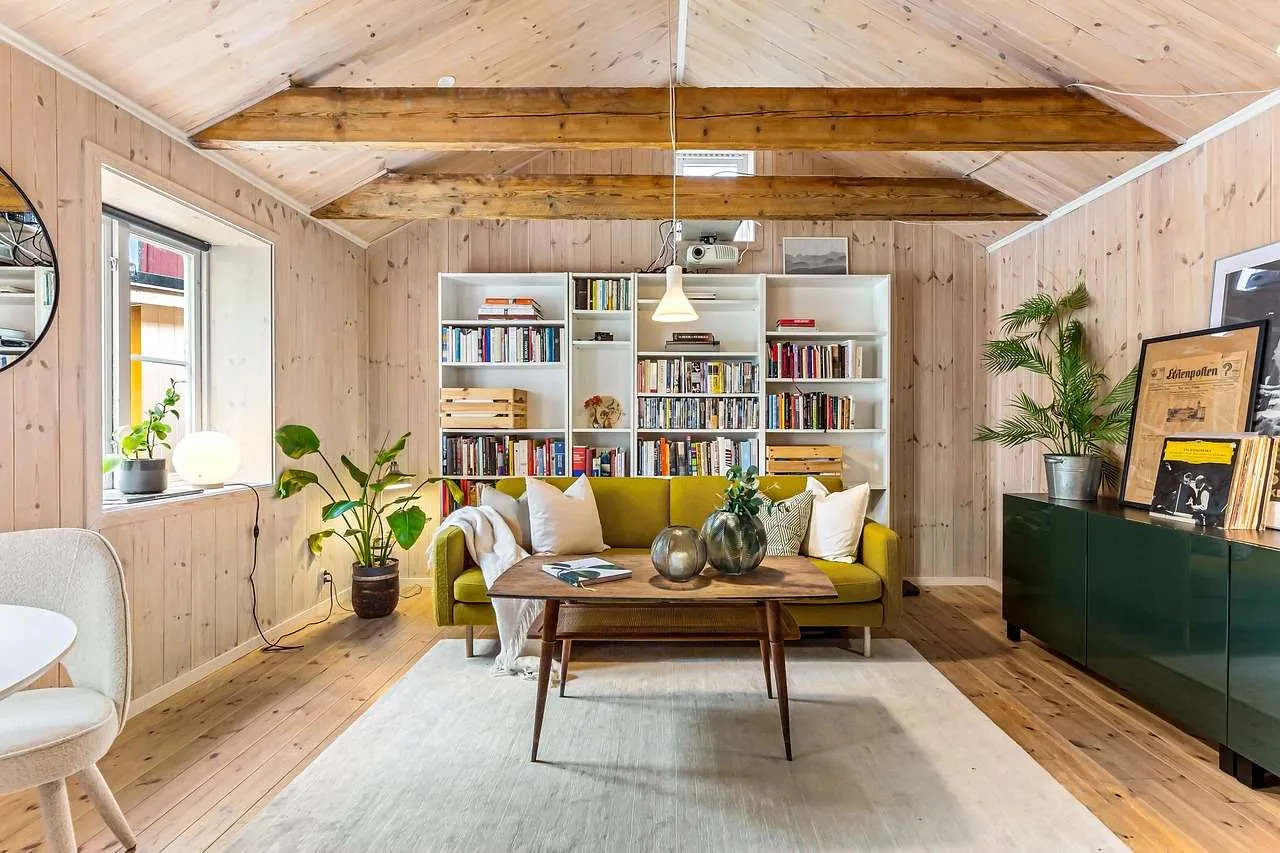
Home window tinting is a practical upgrade that blends comfort, protection, and style for any residence. By applying a specialized film to interior glass surfaces, installers can reduce heat gain, block UV rays, and improve overall indoor quality. This article explains how tinting works, compares popular film options, and offers guidance to choose a professional, ensuring you meet safety standards while maximizing return on investment.
What is home window tinting?
Home window tinting uses thin, durable films applied to the inside of windows. The film filters light and heat, cutting glare and shielding furnishings from fading. The right tint can also enhance privacy without sacrificing visible daylight. It is not a substitute for window shades or solar screens, but a complement that improves energy efficiency and comfort year round. Licensed installers follow safety practices to protect glass during application and warranty coverage typically hinges on the film brand and the installer’s workmanship.
Tint options and how they work
Film technology varies in performance, cost, and appearance. The table below highlights common residential options and what to expect from each:
| Type | VLT range | Heat rejection | Privacy | Durability | Typical cost |
|---|---|---|---|---|---|
| Dyed film | 15-50% | Moderate | Low to moderate | Medium | Low |
| Metalized | 5-40% | High | High | High | Medium |
| Ceramic | 30-70% | Excellent | Average to high | Very durable | High |
| Hybrid | 20-60% | Good | Moderate | High | Medium-High |
Benefits of home window tinting
Beyond aesthetics, tinting delivers tangible advantages. A high-quality film can block up to 99% of UV rays, protecting furnishings, artwork, and flooring from sun damage. Heat rejection reduces interior temperatures on sunny days, leading to lower air conditioning costs and improved comfort, especially in rooms with large south or west-facing windows. Glare reduction makes screens and workspaces easier to use, while enhanced privacy comes without completely darkening rooms. Modern films also maintain optical clarity, so views remain crisp and natural during the day. For homeowners, these benefits translate into a more stable indoor environment and a potential increase in property value.
Choosing a professional installer
EEAT—Expertise, Authority, and Trust—applies to home window tinting just as it does to larger home improvements. Start by selecting an installer who demonstrates hands-on experience with a diverse portfolio of residential projects. Look for certifications from recognized bodies such as the International Window Film Association (IWFA) and manufacturer-approved installation training. Ask about warranties, film brands, and the scope of coverage for edges, seals, and adhesives. Request local references and before/after photos to assess workmanship and customer satisfaction. A reputable pro will also review local codes and privacy laws to ensure compliance and avoid future rework.
Key questions to guide your choice include: Do you offer on-site measurements and a written estimate? What is the expected lifetime of the film and the warranty terms? Can you provide maintenance recommendations and a care guide? Will installation affect window seals or warranties from the window manufacturer? Confirm that the installer uses proper safety gear and adheres to standards during handling and application.
Maintenance, safety, and cost considerations
Maintenance is straightforward. Clean tinted glass with a soft cloth and non-ammonia cleaners to preserve film integrity and prevent surface hazing. Avoid abrasive tools and harsh chemicals that can scratch or peel coatings. Temperature changes and exposure to cleaning agents may affect the film over time, so follow the manufacturer’s guidelines and schedule periodic inspections after severe weather or impacts.
Cost varies by film type, window size, and labor. Typical installed costs range from modest to premium: dyed films are usually the most affordable, while ceramic and high-performance hybrid films command higher prices due to better heat rejection and longevity. While the upfront investment is higher than simple blinds or shades, the long-term energy savings and reduced interior fading can offset the expense. A reputable installer will help you estimate energy savings based on your climate, home orientation, and window composition.
Comparison and summary
To summarize, home window tinting offers comfort, protection, and efficiency when chosen and installed with care. The best option depends on your goals: if you want a budget-friendly upgrade with moderate heat control, dyed films may suffice; if you prioritize energy savings and clarity, ceramic or hybrid films are worth the investment. Always prioritize professional installation to protect warranties, ensure even coverage, and maximize durability. Consider certifications, references, and a clear maintenance plan as part of your decision process.
Conclusion
Conclusion, home window tinting delivers meaningful benefits for comfort, UV protection, and energy efficiency when performed by a qualified installer using quality film, with a clear maintenance plan and warranty support. By weighing tint options, verifying credentials, and considering local regulations, homeowners can achieve lasting value from this upgrade.